Workstation Crane Headroom and Cleanroom Lifting
Plan workstation lifting around usable hook height, load guidance, support layout and project-specific cleanliness requirements.
Read article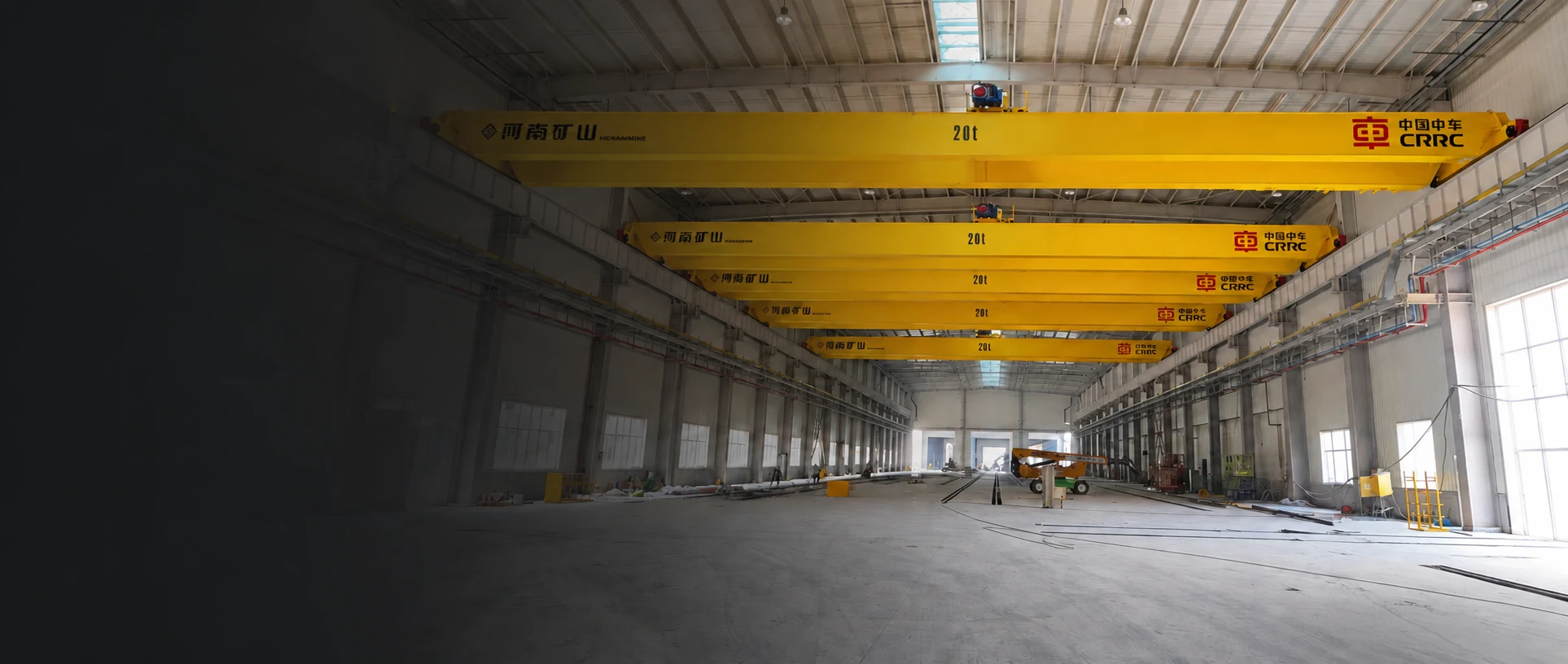
Single and double girder systems for your load, span and working duty.
KSQ / European-type double girder
Latest updates
Plan workstation lifting around usable hook height, load guidance, support layout and project-specific cleanliness requirements.
Read articleSpecify hydraulic gantries and mobile lifting equipment using load geometry, staged support reactions, travel routes and the receiving interface.
Read articleDefine automated material handling around the AGV or RGV route, physical and digital handoffs, and storage and retrieval interfaces.
Read articleFrom an overhead crane above the production floor to an open yard, steel plant, container terminal or high-bay warehouse, follow the material flow to find the equipment each operation needs.
Carry every lift into the next stage of production.
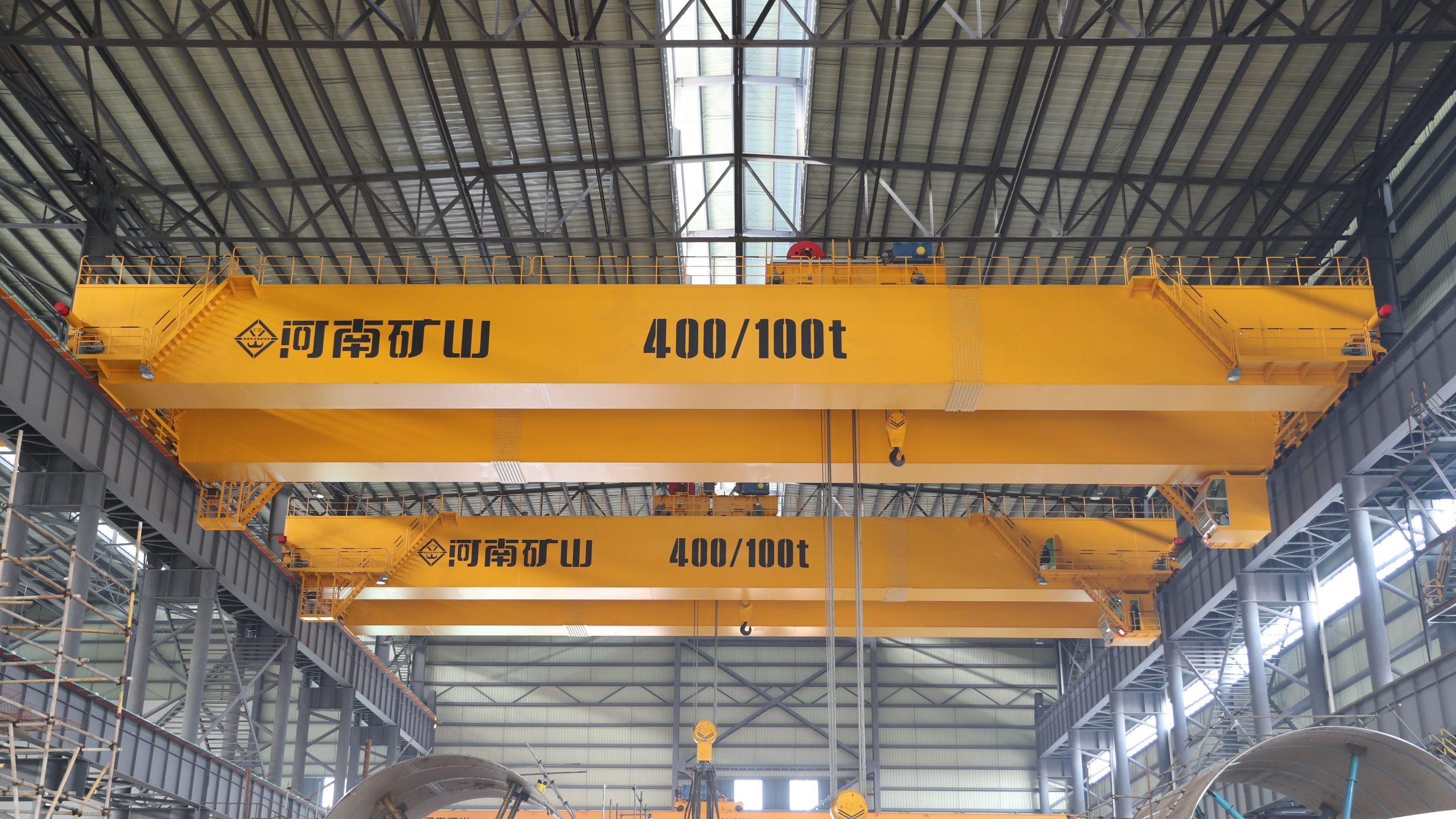
From placing a blank at a machining station to positioning a large component for assembly, an overhead crane uses the space above the factory floor. Its bridge travels on elevated runways while the hoist or trolley moves across the girders, lifting and transferring materials within the production area.
Give an open site a clear route for every load.
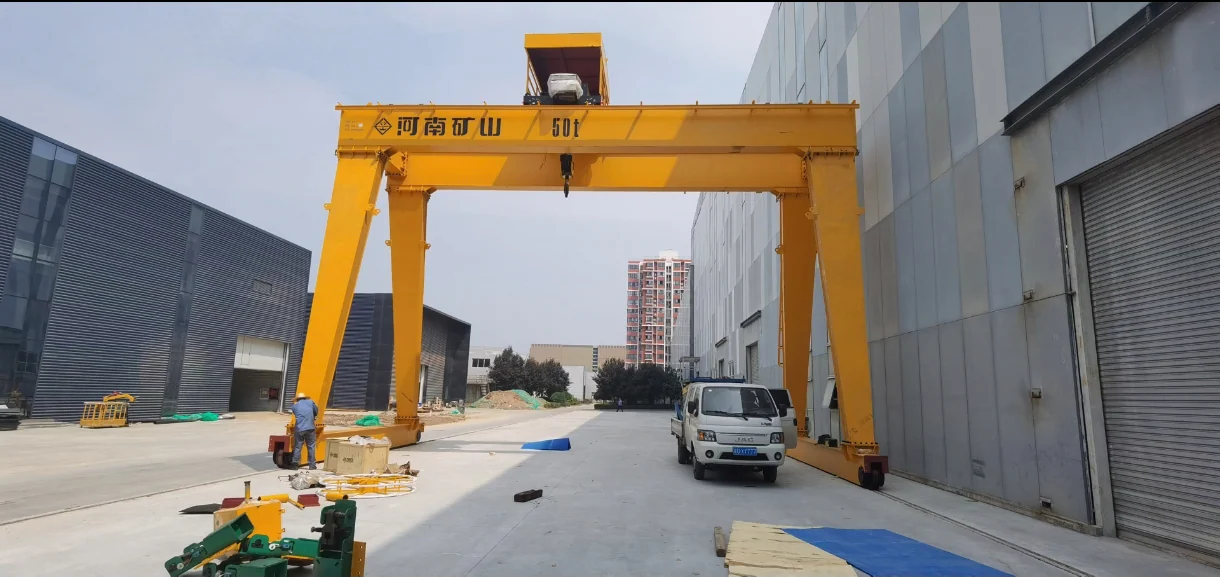
Steel arrives by truck, components move into storage and finished fabrications wait for dispatch. A gantry crane handles the lifting and handover between these outdoor operations. Legs support its bridge on ground-level travel equipment; a semi-gantry arrangement uses an elevated support on one side to work alongside a building.
Keep dedicated lifting in step with the process.
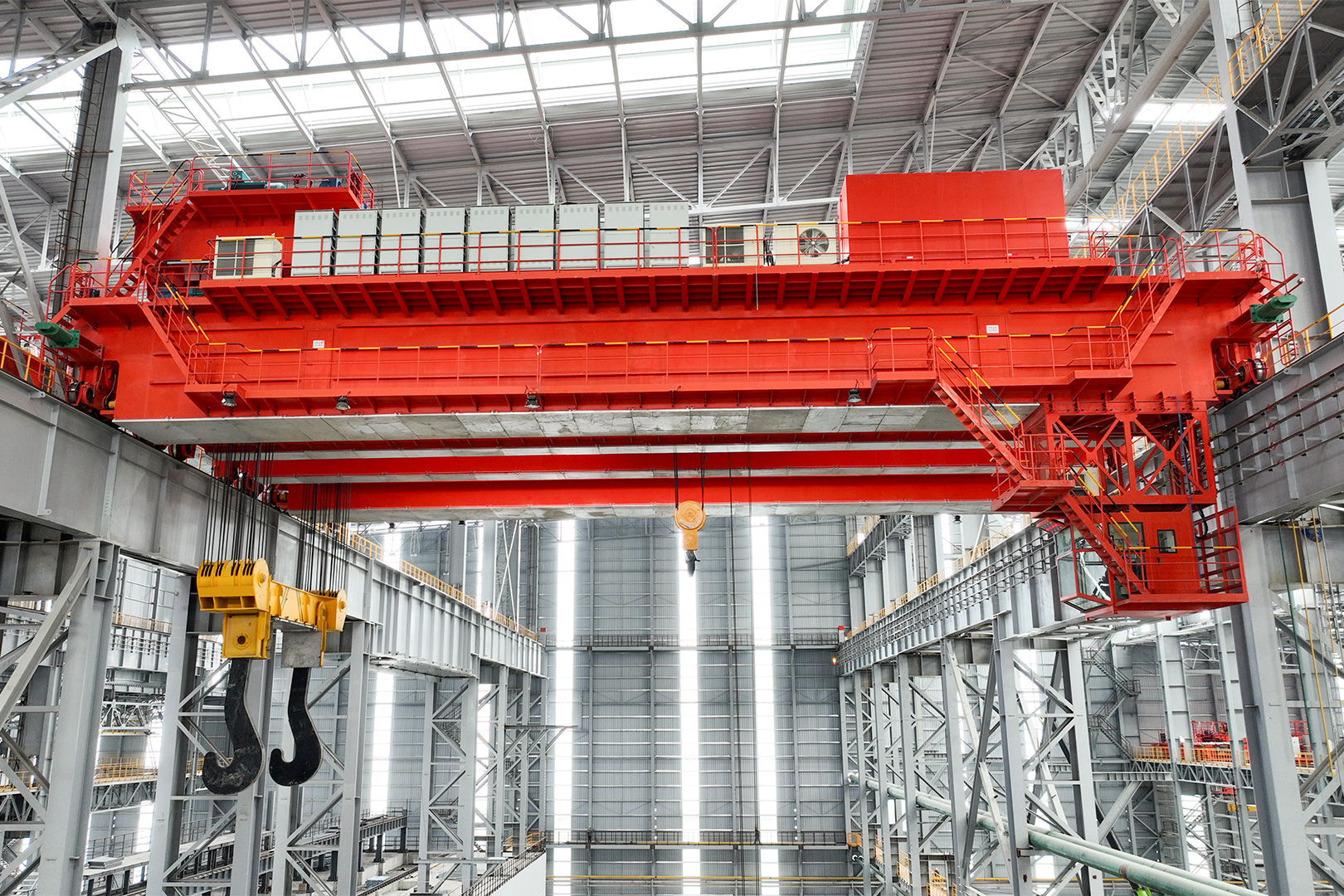
A ladle moves from one process to the next, while metal loads pass between casting and production areas. Metallurgical lifting equipment works within that process flow. Material temperature, handling attachments, operating frequency and the crane configuration need to be considered together.
Move large loads through every point of handover.
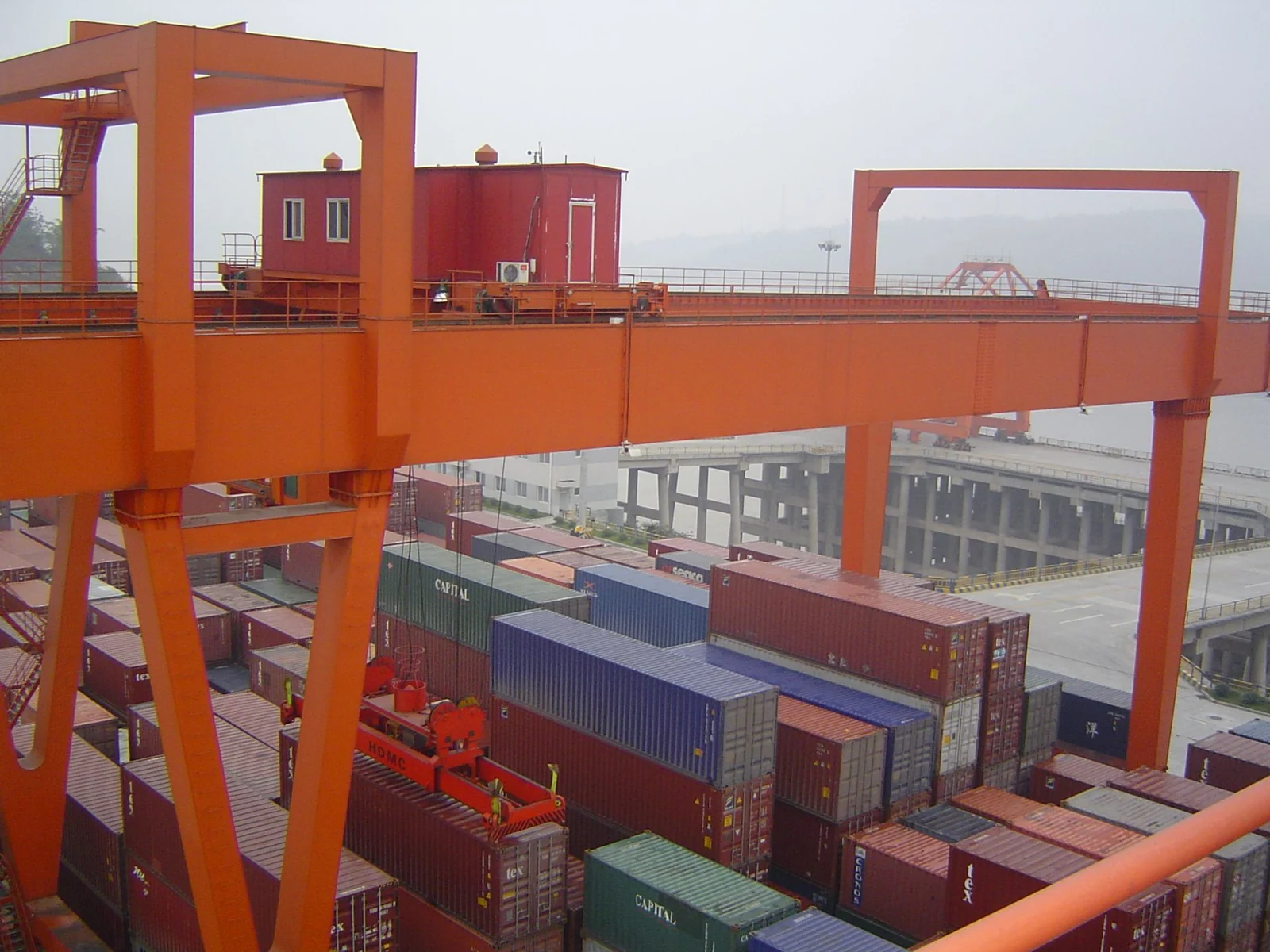
A container moves from its stack to a transport lane, then between the quay and the vessel. In a dry dock, hull sections need to be lifted, aligned and turned. Port and shipbuilding cranes serve these distinct stages, with the equipment selected around yard layout, travel routes, vessel interfaces and lifting attachments.
Start with the mechanism that lifts the load.
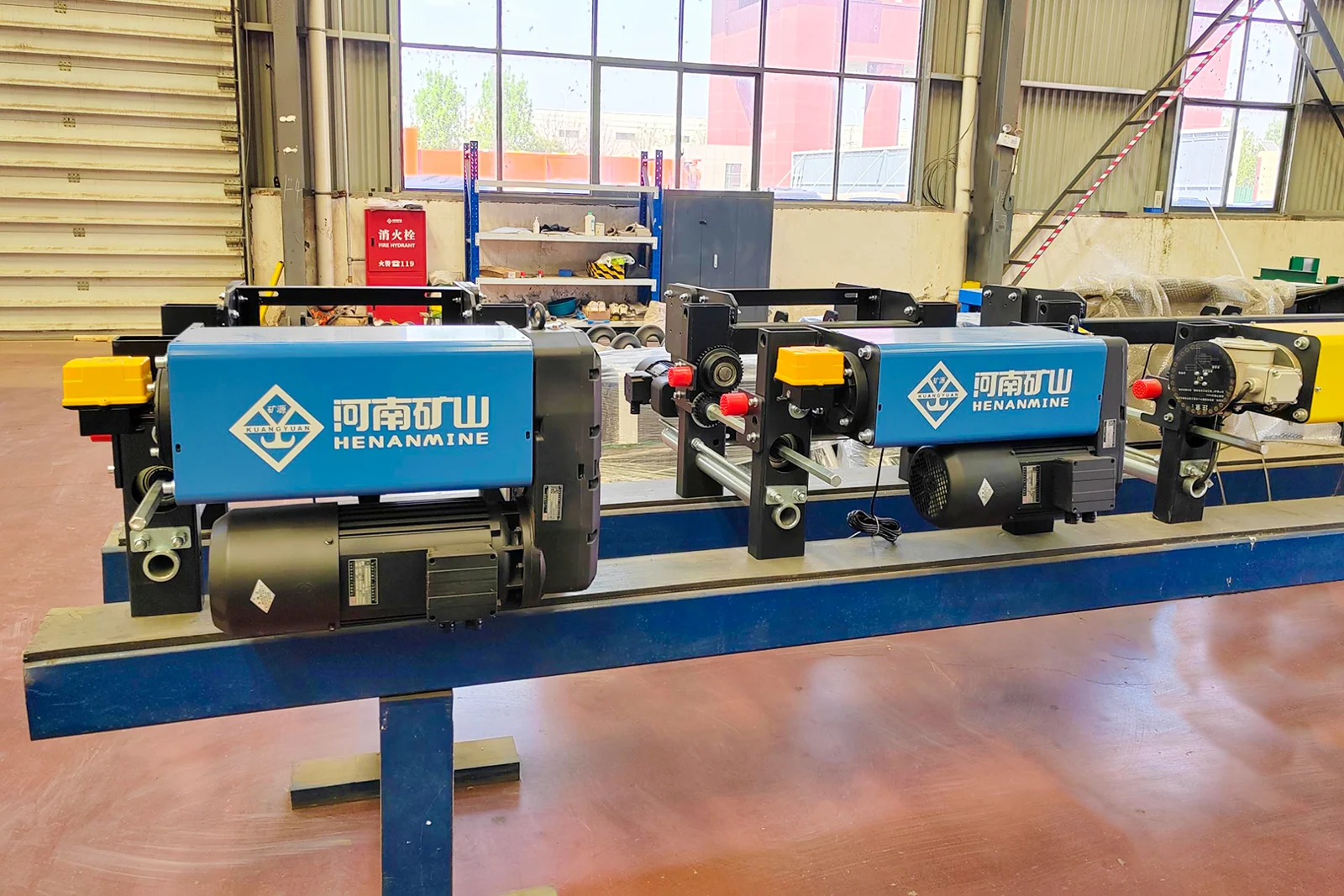
Raise a motor at an assembly station, move equipment in a maintenance area or equip an overhead crane with its lifting mechanism. Electric hoists and trolleys do the direct work of raising the load. They can serve a monorail, an independent lifting station or a crane, with capacity, lifting height, headroom and travel considered together.
Connect the workstation to the storage location.
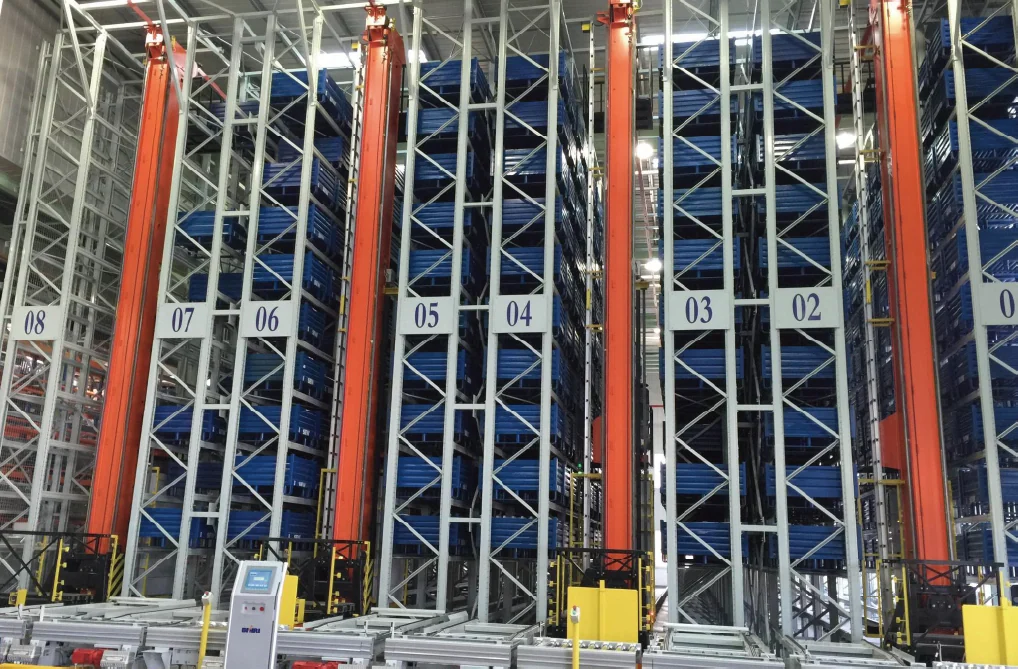
A large workpiece leaves the machining area for its next operation. A pallet arrives at the warehouse and needs to reach its storage position. Handling and storage equipment connects these movements: rail transfer carts carry loads at floor level, stacker cranes serve warehouse aisles and goods lifts move materials between floors.
Explore the full catalogue for product photographs, functions and available specifications. Review load, space, duty cycle and site conditions together when selecting a configuration.
Some loads need to move beyond a crane runway. Explore 14 equipment families for mobile yard lifting, heavy ground transport and controlled installation, with an individual product page for each family.
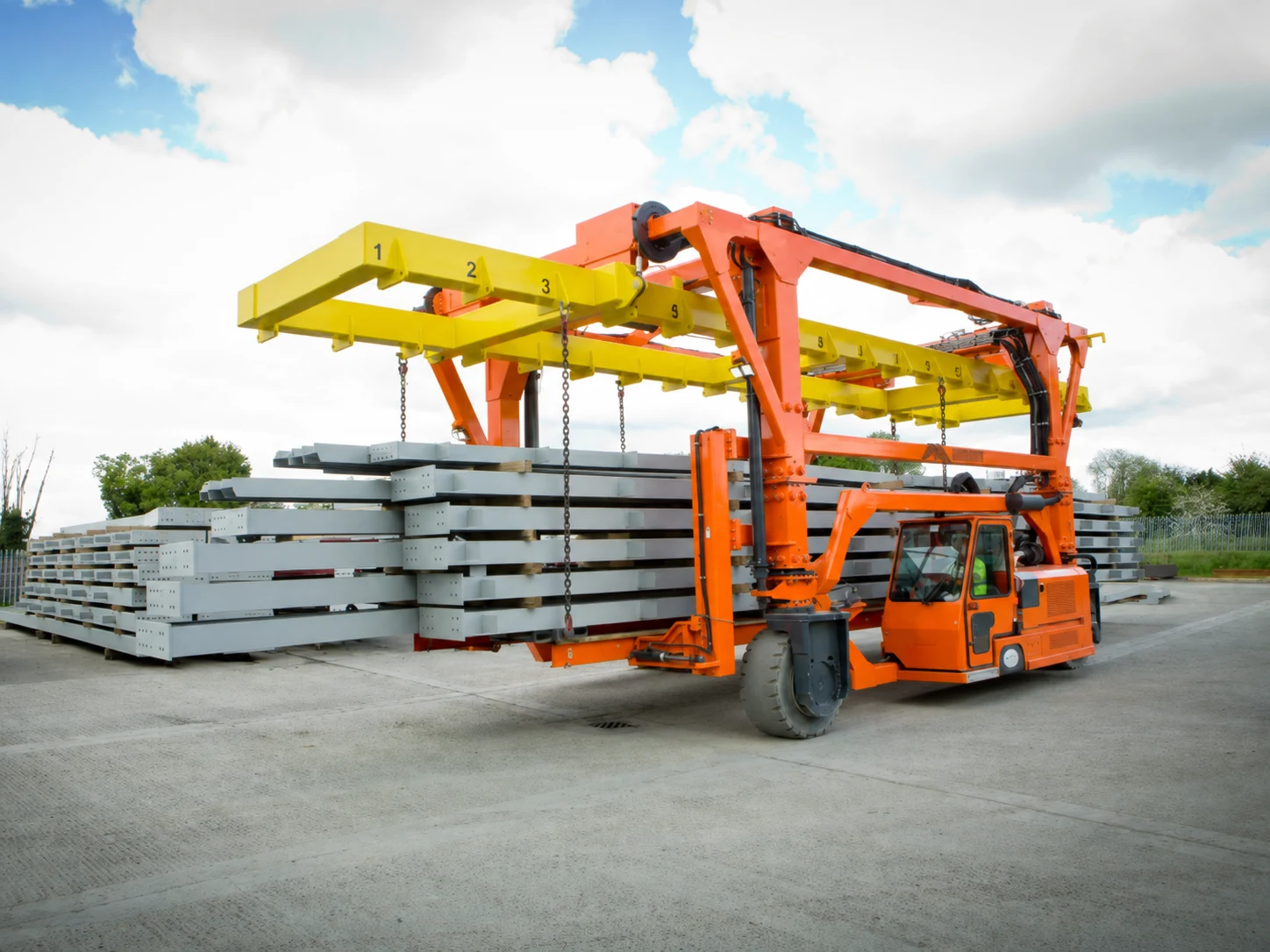
A precast beam leaves its casting bed, a container waits for collection, a vessel comes ashore for maintenance. Straddle carriers lift within an open portal; single- and double-girder rubber-tyred gantries transfer machinery and structures; a mobile boat hoist supports the hull with slings. Match the machine to the cargo, ground conditions and the route to its next position.
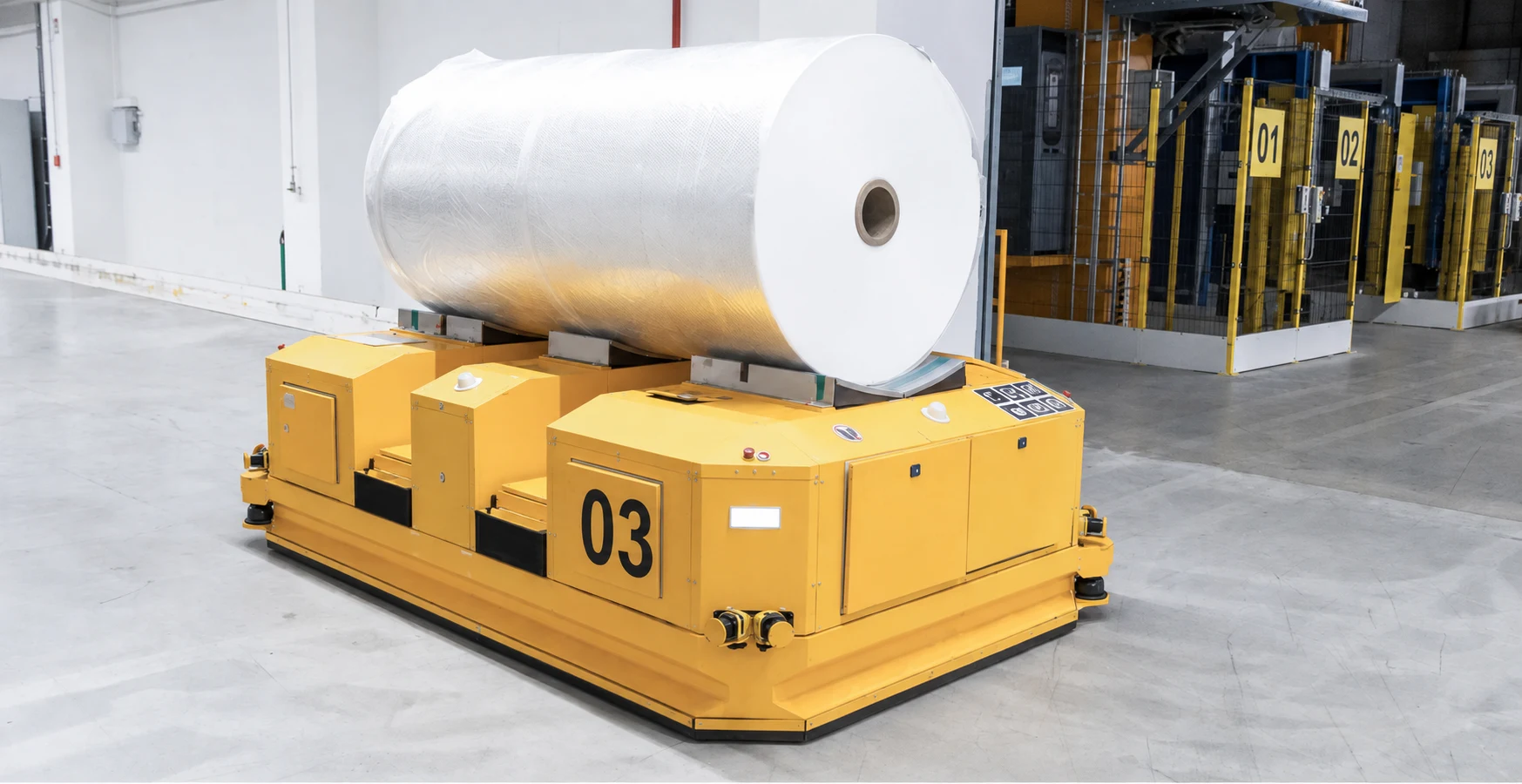
A paper roll must reach the next process, a large component must cross the workshop, and a ship section needs support during transfer. AGVs follow a configured guidance system; RGVs and rail carts serve fixed tracks; trackless carts and hydraulic platforms connect suitable floor routes. Turntables change rail direction, while saddles, lifting decks and rollers match the handover to the load.
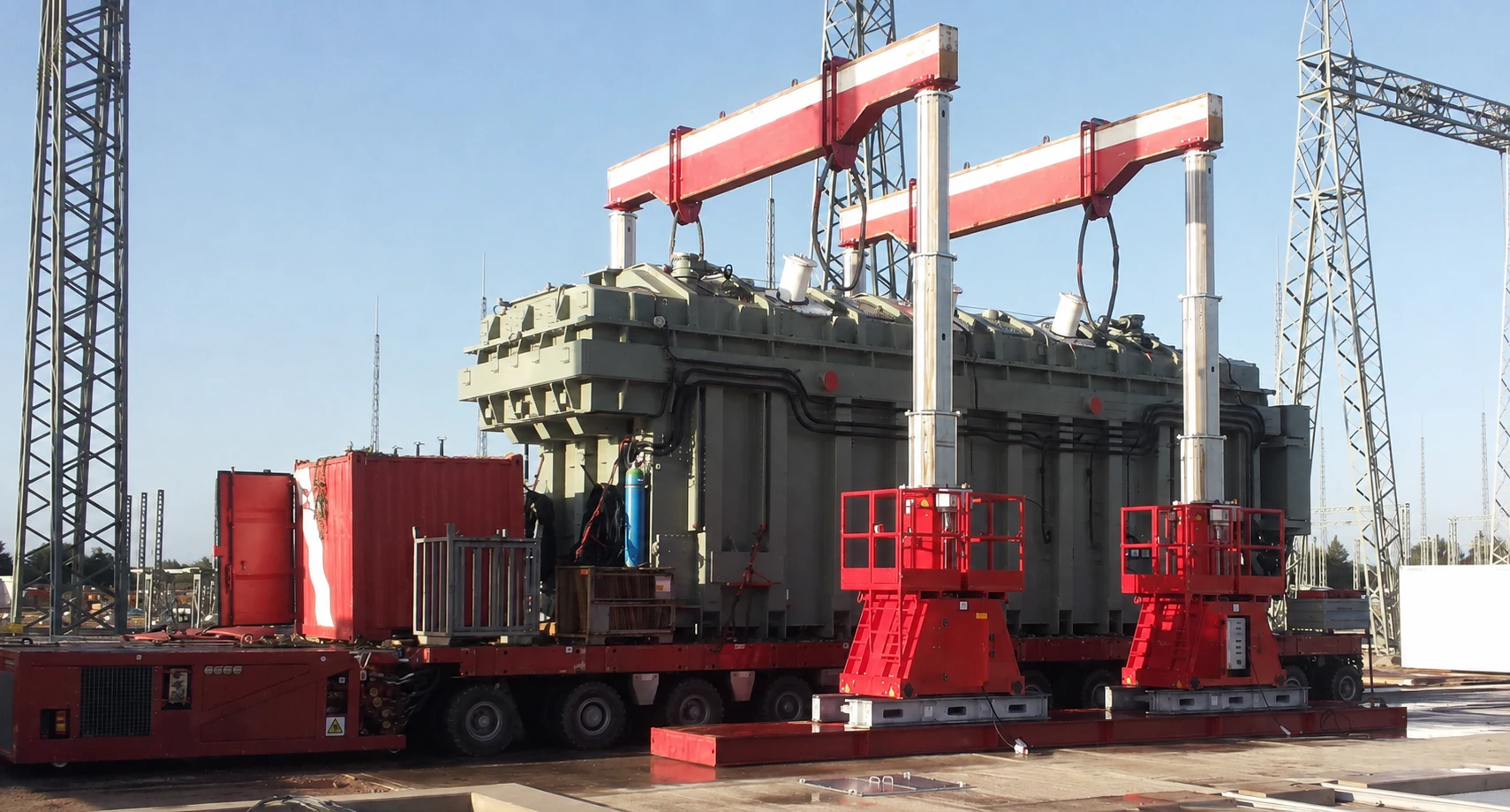
Installing a transformer and feeding a production station call for different lifting arrangements. A hydraulic gantry lifts heavy machinery within the installation envelope. A rigid-mast intelligent overhead crane guides the load and uses a configured gripper for bags, coils or pallets. Start with the lifting points, working clearance and handover position, then choose the control and motion arrangement.
News
Plan workstation lifting around usable hook height, load guidance, support layout and project-specific cleanliness requirements.
Specify hydraulic gantries and mobile lifting equipment using load geometry, staged support reactions, travel routes and the receiving interface.
Define automated material handling around the AGV or RGV route, physical and digital handoffs, and storage and retrieval interfaces.
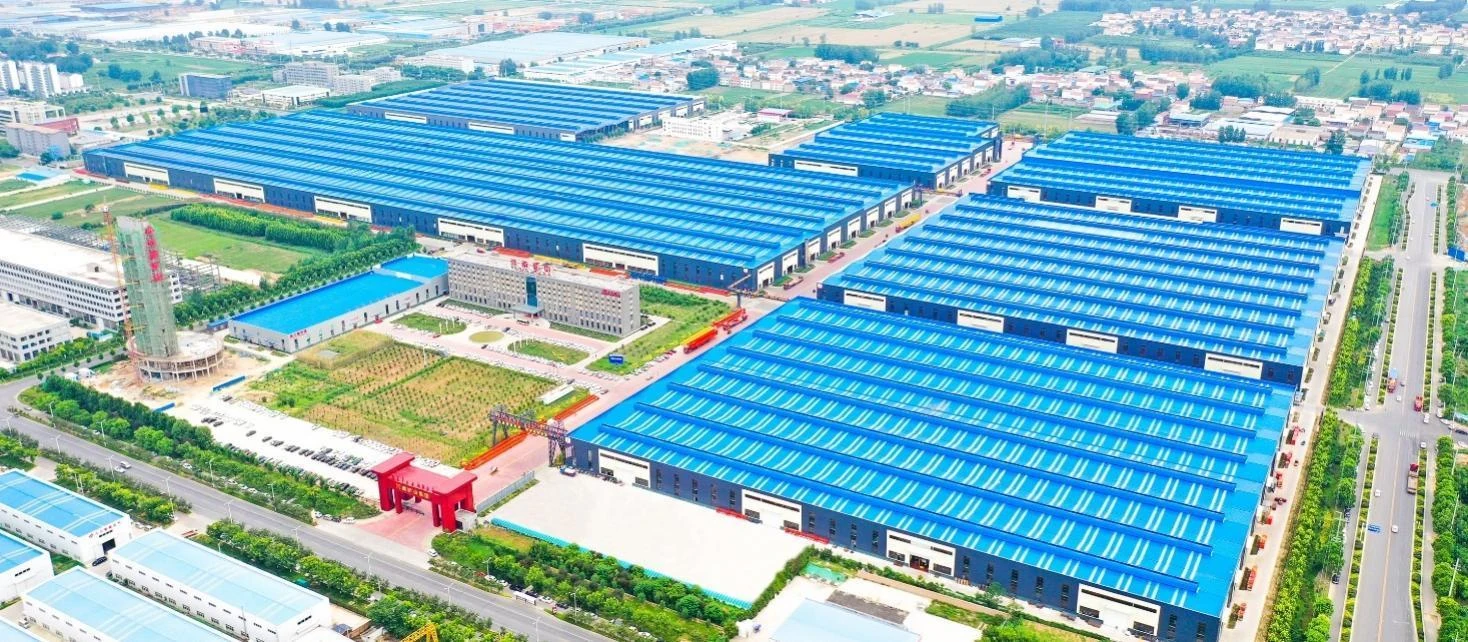
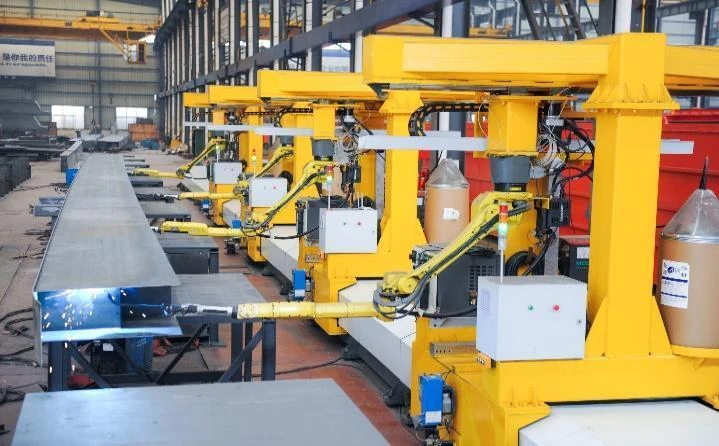 Henan Mine intelligent industrial park · Changyuan, China
Henan Mine Crane Co., Ltd. brings design, core component production, crane assembly and testing together in Changyuan, China. See how a lifting requirement becomes working equipment.