CD
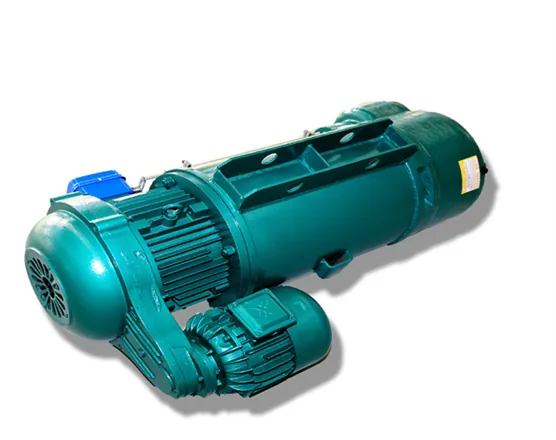
Single-speed electric wire rope hoist
A conventional wire rope hoist with a single normal lifting speed.
View product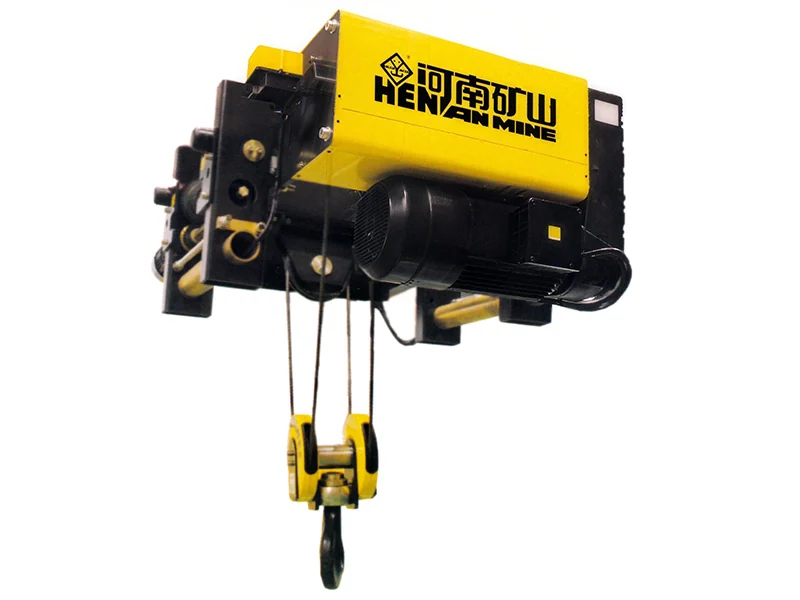 01 / 02
Reference imagery. Final appearance and equipment depend on configuration.
KS
A compact European-type wire rope hoist for single girder lifting arrangements.
A compact European-type wire rope hoist for single girder lifting arrangements.
Match the hoist or trolley to the load, lifting height, supporting structure and operating environment.
Values describe the series range, not a single combined configuration. Confirm capacity, dimensions, duty and the selected equipment together.
European electric hoist
A compact European-type wire rope hoist for single girder lifting arrangements.
The motor, brake, reduction gearing and drum drive the reeved wire rope and hook block. A trolley, where fitted, supports travel on the designated beam or bridge rails; its compatibility is part of the complete installation.
For vertical lifting of freely suspended loads in compatible workshop lifting systems. Duty, headroom, hook travel, beam geometry and power supply determine the suitable hoist configuration.
Before work, authorised personnel confirm the load and its centre of gravity, the permitted machine configuration, the route and receiving position. Complete the checks specified for the equipment, verify protective functions by the approved method and stop if a defect affects safe operation.
Check rope reeving, hook condition, controls and brake response according to the manual. Centre the hook above the load, lift without side pull and use the intended speed control to position and lower it.
After the task, place the load on stable supports and leave the equipment in its prescribed safe state. Record faults and abnormal events. Maintenance or jam clearance requires secure isolation of relevant energy, including stored hydraulic, pneumatic and gravitational energy.
Do not lift people, wrap the hoist rope around a load or run into the upper limit as normal operation. A standard workshop hoist is not automatically suitable for molten metal, explosive atmospheres or cleanroom service.
Inspection frequency, wear/discard criteria, lubrication, brake adjustment and replacement parts follow the supplied instructions and applicable local requirements. Only competent personnel may maintain the equipment; return to service follows the prescribed checks.
This is an equipment-selection and operating-principle overview, not a complete operator manual, lift plan or certificate. Verify rated load, duty, geometry, environment and protective functions against the nameplate, approved drawings and delivered instructions. Do not combine separate series maxima into one promised configuration.
Requirements follow the destination and installation, not the website language. China: determine the applicable GB/T references and statutory equipment obligations. EAEU destinations: check the applicable TR CU/EAEU regulations, amendments and conformity documents. English-speaking markets: select the relevant national rules; US OSHA and UK HSE references are not universal law. EU projects require their own applicable conformity assessment.
References checked on 17 September 2026. Product-specific facts come from the retained supplier material. Standards links confirm official editions and scopes; full paid clauses have not been audited. Public regulator guidance and manufacturer technical material corroborate general workflows, not certification or specifications of this product.
Tell us your load, workspace and operating requirements.
A conventional wire rope hoist with a single normal lifting speed.
View productA conventional wire rope hoist adds a slow lifting speed for positioning.
View product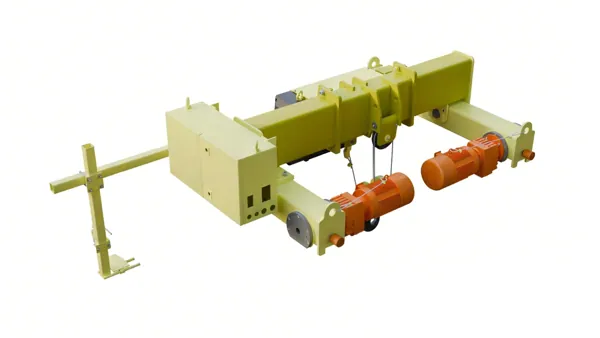
A hoist trolley component intended to run on a double girder crane.
View product