Crane and Hoist Selection for Hazardous Areas
Specify an explosion-protected crane or hoist using documented gas or dust classification, lifting duty, equipment marking and supply interfaces.
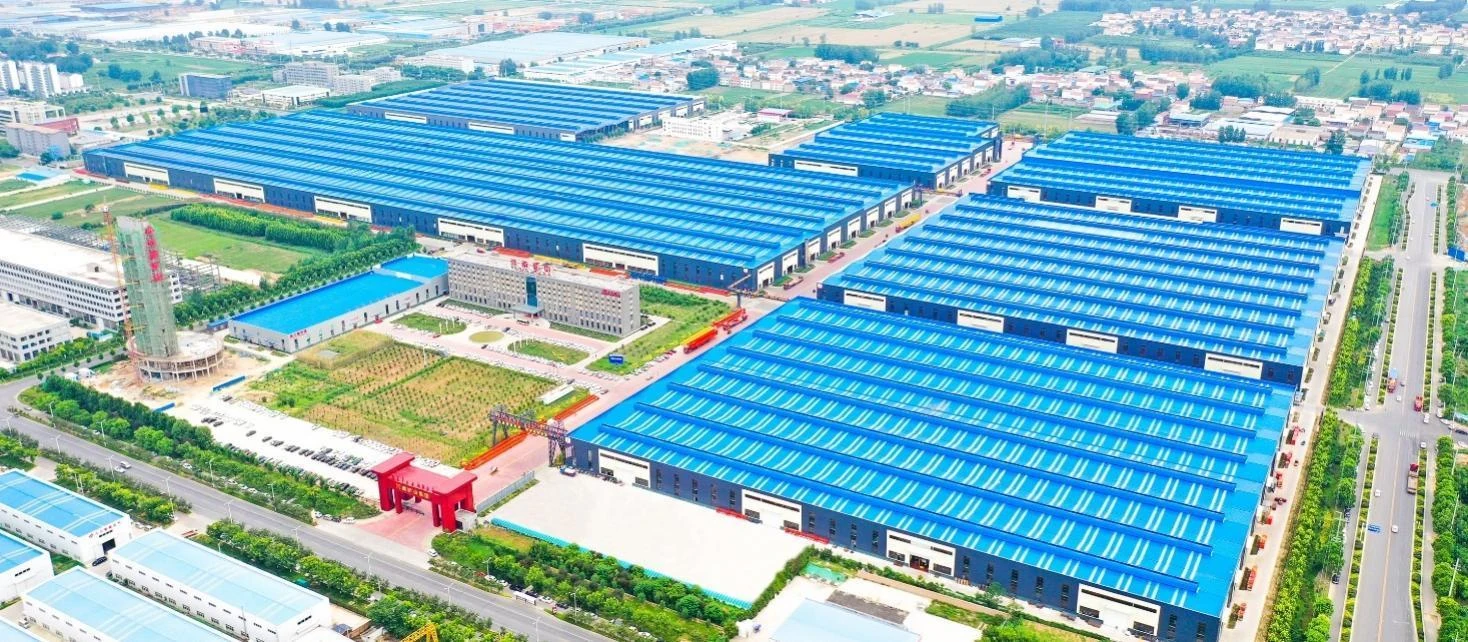
Start selecting a crane or hoist for a hazardous area with the site's documented classification. Give the supplier the atmosphere and boundary information, as well as the lifting duty and travel path. A crane can cross more than one site condition as the bridge or trolley moves, so show where the machine and its power equipment operate throughout the intended route. The review needs to cover the assembled lifting equipment and the documented scope of its protection.
Use the facility classification in the enquiry
Ask the site's qualified team to identify the gas or combustible dust, applicable classification system, location boundaries, group and temperature limits. Share the installation jurisdiction, ambient conditions and the marking and documentation required by the project. Record the location of each pickup and set-down point against the area boundaries. Gas and dust applications need to be matched to their own protection requirements.
In the EU, the European Commission explains the ATEX framework for relevant equipment and protective systems. Other jurisdictions use their applicable regulations and classification practices. The project team should identify what governs the actual installation. European Commission overview of equipment for potentially explosive atmospheres
Review the assembled travel and lifting system
Mark the trolley, bridge drives, hoist, controls and the power feed on a layout. Identify which parts of that arrangement enter the classified space. Ask the supplier which components and assembled functions are covered by its documentation. Scope both electrical and relevant non-electrical ignition risks for the complete arrangement. A motor marking alone cannot answer whether the rest of the system fits the area. Columbus McKinnon guidance on cranes and hoists in hazardous areas
Compare offers using the same equipment and duty inputs
Include the load, span, hook reach, lift height, frequencies of use and required operating modes. Ask for configuration drawings, item markings, supporting documentation and approved maintenance requirements. Have the responsible site team verify that the offer and the intended installation match the documented classification and operating conditions.
Compare a QB winch overhead crane, a BCD wire rope hoist or a dust-protection lifting arrangement with the same process information. Share your classification drawings and lifting duty to start the configuration review.